Sleep apnea is a serious medical condition that affects millions of people worldwide, disrupting their sleep patterns and overall health. It involves intermittent interruptions to breathing while asleep, which can lead to fragmented rest and a variety of health issues. The condition is often undiagnosed, as its symptoms can be subtle and disruptive only at night. This article will explore the causes, symptoms, and available treatments for sleep apnea.
The most common form of sleep apnea is obstructive sleep apnea (OSA), which occurs when the muscles at the back of the throat relax too much during sleep, blocking the airway. Another type is central sleep apnea, where the brain fails to send the correct signals to the muscles that control breathing. Complex sleep apnea is a combination of both obstructive and central sleep apneas. In either case, the body experiences short bursts where breathing stops, sometimes for 10 seconds or longer, leading to a drop in oxygen levels.
One of the primary causes of sleep apnea is obesity. Excess 止鼻鼾枕頭 , particularly around the neck area, can contribute to the narrowing of the airways, increasing the likelihood of airway blockage. Other risk factors include aging, family history, smoking, alcohol consumption, and certain medical conditions, such as high blood pressure or diabetes. Men are more likely to develop sleep apnea, though the condition can affect both genders.
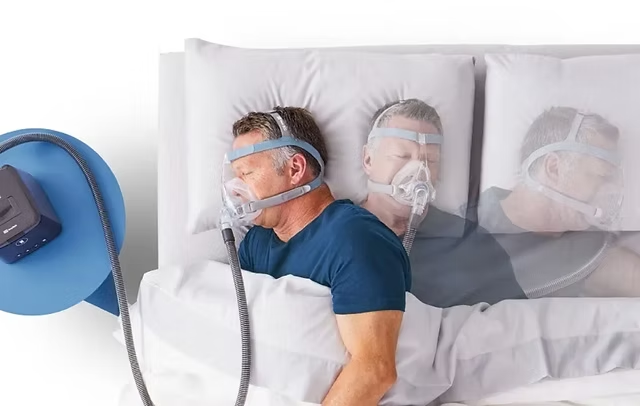
The symptoms of sleep apnea can vary but typically include loud snoring, gasping for air during sleep, frequent waking, and feeling excessively tired during the day. These symptoms can affect not only sleep quality but also cognitive function and mood. People with untreated sleep apnea often suffer from memory issues, difficulty concentrating, and irritability. The lack of proper sleep can also increase the risk of developing other health conditions such as hypertension, heart disease, stroke, and diabetes.
A diagnosis of sleep apnea typically involves a sleep study, which can be done either at home or in a sleep center. During this test, the patient’s breathing patterns, heart rate, and oxygen levels are monitored while they sleep. Based on the results, a healthcare provider can determine the severity of the condition and recommend appropriate treatment options.
Treatment for sleep apnea varies depending on the severity of the condition. In mild cases, lifestyle changes such as weight loss, avoiding alcohol before bed, and sleeping on one’s side may help alleviate symptoms. For moderate to severe cases, continuous positive airway pressure (CPAP) therapy is commonly used. A CPAP machine uses a mask that delivers a steady stream of air into the airway, preventing it from collapsing during sleep. In some cases, a dental appliance may be recommended to help reposition the jaw and keep the airway open.
Surgical options are also available for individuals who do not respond to other treatments. Procedures such as uvulopalatopharyngoplasty (UPPP), which removes excess tissue from the throat, or surgery to reposition the jaw, may be considered. However, surgery is generally seen as a last resort.